
6 Easy Ways to Maintain Painted Walls After Renovation
A fresh coat of paint can instantly make your home feel cleaner, brighter and more inviting. But once the renovation is over, proper wall care is important to keep that fresh look for as long as possible.
From dust and fingerprints to accidental stains and moisture, painted walls go through plenty of wear and tear in everyday life. The good news? A little maintenance can go a long way.
Here are 6 simple ways to maintain your painted walls after renovation.
1. Keep Your Walls Dust-Free

Dust can settle on painted surfaces over time, especially around corners, behind furniture and along skirting areas. Instead of waiting for dust to build up, gently clean your walls regularly using a soft, dry microfiber cloth or duster. For larger areas, you can use a vacuum cleaner with a soft brush attachment.
Avoid using rough sponges or abrasive cleaning tools, as these can leave marks or affect the paint finish.
Tip: Make wall dusting part of your regular home-cleaning routine, especially in areas that are less frequently cleaned.
2. Clean Stains and Marks the Right Way

Small marks and stains are almost unavoidable, especially in high-traffic areas or homes with young children. However, how you clean your walls can make a difference to the paint finish.
Different types of paint and finishes have different levels of durability and washability. Before cleaning, check the paint manufacturer's recommendations and avoid using harsh cleaners or scrubbing too aggressively, as this may affect the appearance of the paint. For light marks, start with a soft, damp cloth and gently wipe the affected area. It is also a good idea to test your cleaning method on a small, less noticeable section first.
If you're planning a renovation or repainting your home, consider using washable paint, especially in areas that are more likely to get dirty or come into frequent contact. Washable paints are designed to make everyday cleaning and stain removal easier, helping your walls stay looking fresh for longer.
Tip: Clean stains sooner rather than later. Fresh marks are generally easier to remove than stains that have been left on the wall for a long time.
3. Be Careful When Moving Furniture
Furniture is one of the most common causes of scratches, scuff marks and chipped paint.
When moving cabinets, tables or sofas, avoid dragging them directly against the walls. Even a small amount of friction can leave visible marks on a freshly painted surface.
Leave a little space between large furniture pieces and your walls where possible. This also allows better airflow and makes it easier to clean behind the furniture. For frequently moved furniture, consider using protective pads on the corners or edges.
4. Keep Moisture Under Control
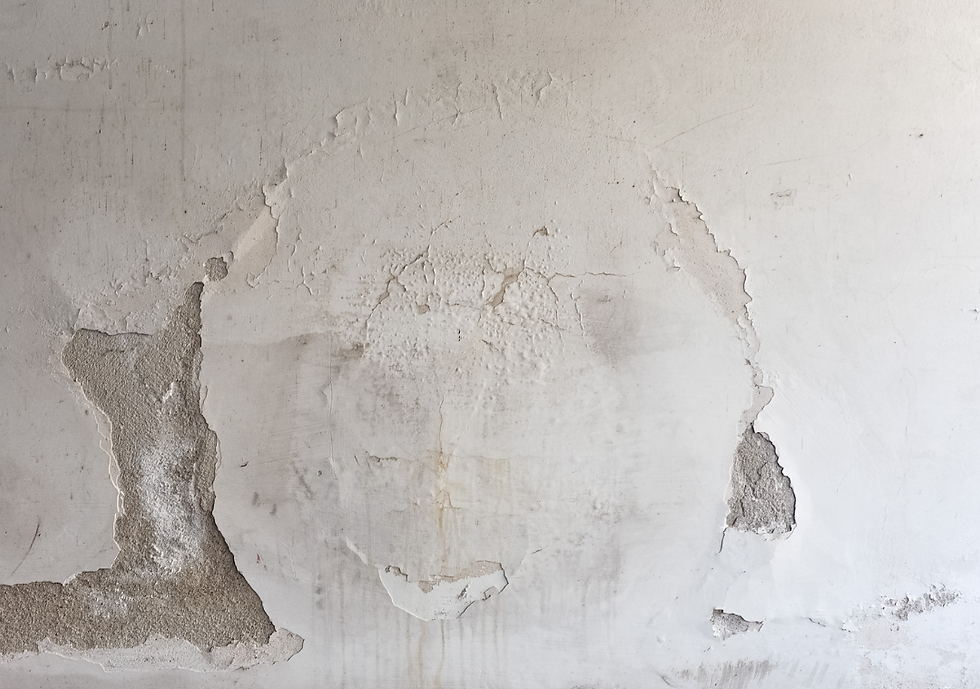
Moisture is one of the biggest concerns for painted walls, particularly in areas such as bathrooms, kitchens and spaces with poor ventilation.
Excess humidity can contribute to mould growth, peeling paint and discolouration over time.
To reduce moisture buildup:
Keep bathrooms well ventilated after use
Use exhaust fans where available
Wipe away excessive condensation
Avoid allowing water to sit on painted surfaces
Check for leaks or water seepage early
If you notice recurring mould, bubbling or peeling paint, simply painting over the affected area may not solve the underlying problem. The source of the moisture should be identified and treated first.
5. Avoid Hanging and Removing Items Carelessly
Pictures, shelves, hooks and decorations can add personality to your home, but installing or removing them carelessly can damage your painted walls. Before drilling or hammering, check where you are placing the item and use the appropriate wall fixture. When removing adhesive hooks or tapes, follow the manufacturer's instructions and avoid pulling them off aggressively.
If the paint does become chipped or damaged, keep some of the original paint for future touch-ups if possible. This makes it easier to maintain a consistent colour.
6. Touch Up Small Damages Before They Get Worse

Don't wait until your walls have multiple scratches, stains or peeling areas before doing something about them. Small imperfections are usually easier to address when they first appear. Keep an eye out for:
Minor scratches and scuff marks
Small chips in the paint
Peeling or bubbling
Water stains
Discolouration
Mould spots
For minor damage, a touch-up may be sufficient. However, if the problem is widespread or the existing paint is deteriorating, repainting the affected section or entire wall may provide a better and more consistent result.
How Often Should You Clean Painted Walls?
There is no one-size-fits-all schedule. It depends on the room, paint finish and amount of daily use.
For most areas, light dusting every few weeks and spot-cleaning when necessary is enough. High-traffic areas such as hallways, children's rooms and dining areas may need more frequent attention.
Always follow the paint manufacturer's cleaning recommendations, as different paint finishes can have different levels of washability.
When Is It Time to Repaint?
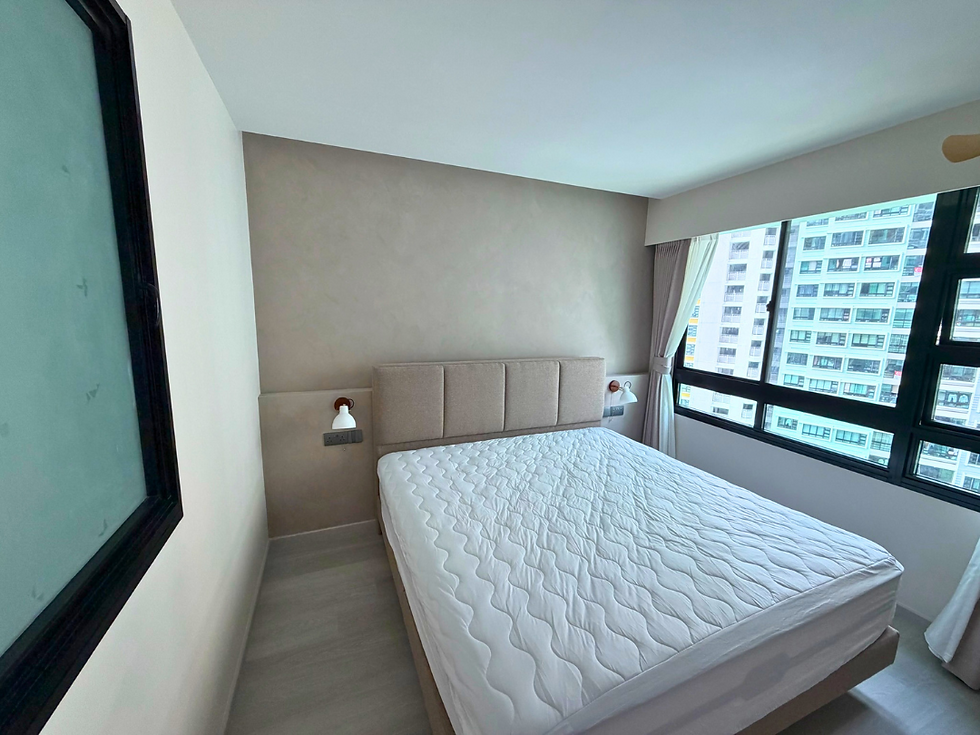
Even well-maintained walls will eventually need a fresh coat of paint.
Consider repainting when you notice persistent stains, widespread discolouration, peeling paint, multiple patches or a generally worn-out appearance.
If mould keeps returning, don't simply cover it with a new coat of paint. Proper mould treatment and surface preparation should be carried out first to address the problem before repainting.
A Little Maintenance Goes a Long Way
Maintaining painted walls doesn't have to be complicated. Regular cleaning, good ventilation and careful handling of furniture and wall fixtures can help your walls stay fresh and presentable for longer.
And when your walls are ready for a refresh, choosing the right paint and proper surface preparation can make a big difference to the final result.
Looking to repaint your home after renovation? Get in touch with Fresh Coat for professional interior and exterior painting services in Singapore. We provide painting solutions for HDB flats, condominiums, landed homes and commercial properties, with free site inspections and quotations.


